
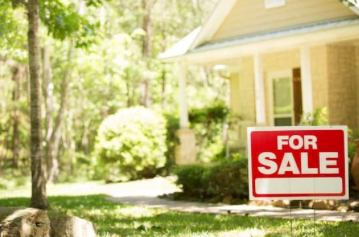
For many New Jersey couples, the family home is their biggest asset — and their biggest worry during divorce. Clients often ask us: “Will I lose my house?” or “What happens if my spouse's name is on the deed but not mine?”
The answer depends on how New Jersey divorce law treats property, your financial situation, and sometimes even custody arrangements. Let's break it down step by step so you know what to expect.
How New Jersey Divorce Law Handles Property Division
New Jersey is an equitable distribution state. This means marital property isn't automatically split 50/50. Instead, courts divide assets fairly based on a list of factors.
The family home is often the most valuable marital asset, which means the court will carefully consider who should keep it, sell it, or buy out the other spouse's share.
Marital vs. Separate Property — What Counts?
Not every house is automatically divided in divorce.
-
Marital property: If the home was bought during the marriage — even if only one spouse's name is on the deed — it's typically considered marital property.
-
Separate property: If the home was owned by one spouse before marriage, it may be separate — unless the other spouse contributed to mortgage payments, renovations, or upkeep during the marriage. In those cases, part of the home's value might still be subject to division.
Factors Judges Consider in NJ Property Distribution
When deciding who gets the home (or how it's divided), NJ judges look at:
-
Length of the marriage
-
Each spouse's financial contributions (including homemaking)
-
Custody of children (judges often try to keep kids in their primary home for stability)
-
Economic circumstances of each spouse after divorce
-
Any written agreements (such as a prenup)
This doesn't mean the higher earner automatically gets the house — the court focuses on fairness, not strict math.
What Happens if the House Was Owned Before Marriage?
If one spouse bought the home before marriage, things get more complicated.
-
The original purchase value may remain that spouse's separate property.
-
But any increase in value during the marriage — especially if both spouses helped pay the mortgage or made improvements — could be divided.
Example: If a spouse owned the home pre-marriage but the couple renovated the kitchen and added equity together, that added value might be split.
Options for Dividing the Home in Divorce
There isn't always a single “winner” of the house. In NJ divorces, these are the most common outcomes:
1. Selling the Home and Splitting Proceeds
Often the cleanest option. The house is sold, the mortgage is paid off, and the profit is divided according to the divorce agreement.
2. One Spouse Buys Out the Other
If one spouse wants to keep the house, they may refinance the mortgage in their own name and pay the other spouse their share of equity.
3. Temporary Exclusive Possession
In some cases — especially when children are involved — the court may allow one spouse to remain in the home for stability, while final ownership is decided later.
Why Having a Divorce Attorney Matters in Property Division
The family home isn't just bricks and mortar — it's often the center of family life and a significant financial investment. The stakes are high.
A skilled NJ divorce attorney can:
-
Protect your financial interest in the home
-
Argue for your right to remain in the home if you have custody of children
-
Negotiate buyout terms or sale arrangements that are fair
-
Prevent your spouse from undervaluing or hiding assets
At Villani DeLuca, we've guided countless clients through the emotional and financial stress of dividing property. Our goal is to protect what matters most to you — whether that's keeping the family home or ensuring you receive your fair share of its value.
FAQs About the House in a NJ Divorce
Can I force the sale of my house in a NJ divorce?
Yes, in many cases the court can order the home sold if neither spouse can afford to keep it or if both want their share of equity.
What if my name isn't on the deed?
If the home was purchased during the marriage, you may still have a legal claim to it even if your name isn't on the deed.
Does adultery affect who gets the house in NJ?
Generally, no. NJ is a “no-fault” divorce state. Misconduct usually doesn't affect property division unless it directly impacts finances (for example, spending marital funds on an affair).
Who gets the house in a New Jersey divorce depends on when it was purchased, how it was paid for, and your family's circumstances. Since every case is unique, the best step is to consult with an experienced NJ divorce attorney who understands both the law and the emotional weight of keeping (or losing) a home.
Contact Us Today
More questions about divorce? Call us today at 732-709-7757.

Comments
There are no comments for this post. Be the first and Add your Comment below.
Leave a Comment