
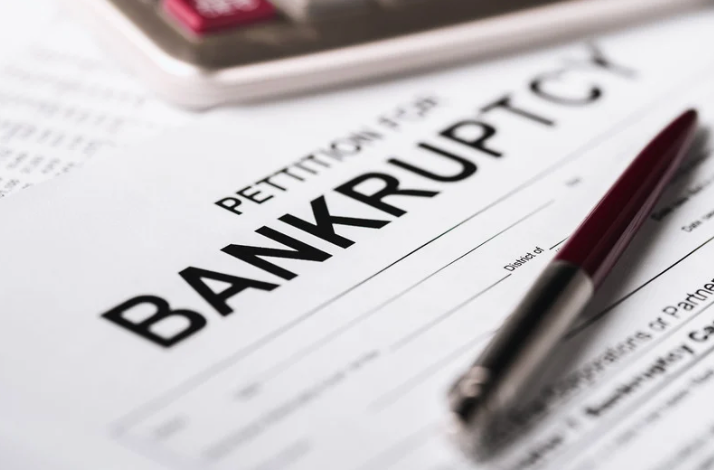
Divorce is already an overwhelming experience. When bankruptcy enters the picture, the financial uncertainty can feel even more destabilizing. Many New Jersey spouses worry about losing assets, being stuck with debt, or watching the divorce process drag on.
The good news is that while bankruptcy does affect divorce, it doesn't automatically undo your rights. With the right strategy, you can protect your finances and maintain control of your case.
This guide explains what truly happens when a spouse files for bankruptcy before, during, or after a divorce in New Jersey — and what you can do to protect yourself at each stage.
How Divorce and Bankruptcy Overlap in New Jersey
Divorce and bankruptcy are separate legal systems, but they interact constantly. Divorce focuses on dividing assets, assigning debts, and establishing support. Bankruptcy, on the other hand, determines what debts can be eliminated and what property is protected from creditors. When a spouse files bankruptcy, parts of the divorce — especially anything involving shared property or debt — may be temporarily paused until the Bankruptcy Court sorts out what belongs in the bankruptcy estate.
Support obligations, however, remain untouched. New Jersey family courts continue to handle child support, alimony, and custody without interruption.
When Bankruptcy Happens Before the Divorce Is Final
A pre-divorce bankruptcy filing often creates the most complications. The moment a bankruptcy case begins, an “automatic stay” takes effect. This stay stops certain parts of the divorce involving property and debt until the Bankruptcy Court reviews the spouse's financial situation.
This does not mean your entire divorce halts. You can still move forward with issues involving children and support. But decisions involving homes, bank accounts, and marital debt must wait because the bankruptcy trustee may step in to determine what belongs to creditors.
Joint assets such as a home, retirement funds, or business interests can become part of the bankruptcy estate. If the trustee believes a jointly owned asset has value, they may attempt to sell it — even if you are in the middle of a divorce. This makes timing and legal planning critical.
When Bankruptcy Happens in the Middle of a Divorce
If your spouse files bankruptcy after the divorce has already begun, the court may still need to pause part of the case. Property division can't move forward until the Bankruptcy Court identifies which assets and debts fall under its control. That means the equitable distribution phase of your divorce could slow down.
Debt division can also become more complicated. If your spouse is jointly responsible for a credit card or personal loan and they wipe out their share, a creditor may come after you for the entire balance. Even if the Family Court assigned your spouse to pay it, creditors do not have to honor that order. However, you can return to Family Court later to enforce the divorce judgment against your ex-spouse.
The key takeaway: filing for bankruptcy does not erase divorce obligations, but it can temporarily shift financial pressure onto the non-filing spouse unless protective steps are taken early.
When a Spouse Files Bankruptcy After the Divorce
Many people file bankruptcy after the divorce is final, often because they cannot keep up with marital debt or post-divorce expenses. In these cases, most obligations from your divorce judgment will remain intact.
Child support, alimony, arrears, and most property-related obligations cannot be discharged in bankruptcy. If your spouse agreed — or was ordered — to buy out your share of the home, reimburse you for marital debt, or transfer certain assets, they generally must still follow through.
A creditor may still pursue you for joint debts, even if your ex-spouse eliminates their responsibility through bankruptcy. When this happens, Family Court becomes your remedy. The court can enforce the judgment and require your ex to compensate you.
Understanding Chapter 7 vs. Chapter 13 in Divorce
Chapter 7 bankruptcy is the faster form of bankruptcy and focuses on eliminating unsecured debt. However, because it may involve liquidating assets, it often complicates property division during divorce.
Chapter 13 uses a structured repayment plan over several years. Because assets are usually better protected and payment obligations remain clear, many divorcing couples find Chapter 13 easier to manage alongside ongoing support and financial orders.
The type of bankruptcy your spouse files can dramatically affect your exposure to debt and your rights to marital property.
How Bankruptcy Impacts the Marital Home
The family home is often the biggest concern during these situations. If your spouse files bankruptcy and the home is jointly owned, the bankruptcy trustee may examine whether the house has equity that can be used to pay creditors. If equity exists, the trustee might attempt to sell the home unless you buy out the estate's share. If the home is underwater, the trustee may “abandon” the asset and allow the divorce court to resolve it.
Either way, you'll need careful legal guidance to understand whether the home is vulnerable — and what your options are.
Protecting Yourself When Bankruptcy Is Possible
If you suspect your spouse may file for bankruptcy, or they've already done so, preparation is essential. Begin gathering financial documents early, including bank statements, tax records, mortgage information, and retirement account details. Secure temporary support orders quickly, because support obligations receive special protection in bankruptcy.
Avoid taking on new joint debt and consider requesting financial restraints in Family Court to prevent your spouse from hiding or dissipating assets. Above all, work with an attorney familiar with both family law and bankruptcy's impact on divorce. These cases require coordination between two court systems, and a misstep can have long-lasting financial consequences.
Common Questions About Divorce and Bankruptcy in NJ
Can bankruptcy erase alimony or child support?
No. These obligations survive bankruptcy entirely.
Will bankruptcy stop my divorce?
It may pause property and debt issues, but custody, support, and the divorce itself can continue.
What happens to joint debt if my spouse wipes their portion?
A creditor may demand full payment from you. Family Court can later force your ex to compensate you.
Is it better to file bankruptcy before or after the divorce?
It depends on your assets, debts, and goals. Some couples benefit from filing jointly before divorce; others are better off filing separately afterward.
When You Should Contact a New Jersey Divorce Lawyer
If your spouse is considering bankruptcy, has already filed, or is using it as a tactic in negotiations, you should speak with a divorce lawyer immediately. Cases involving bankruptcy require strategic planning to protect your share of assets and prevent unfair debt burdens. A lawyer experienced with both systems can help you maintain stability and ensure your rights are enforced in both courts. Call us today at 732-751-4991.

Comments
There are no comments for this post. Be the first and Add your Comment below.
Leave a Comment