
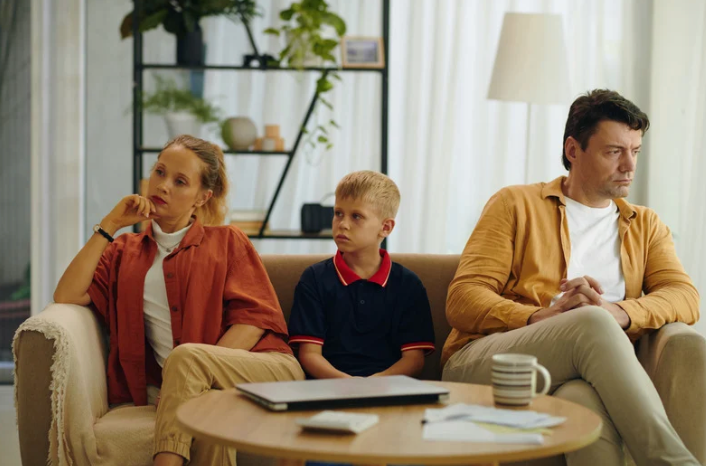
Divorce does not only affect parents; it profoundly impacts children. While every child responds differently, both research and practical experience show that the psychological effects can last long after the divorce itself. New Jersey courts are aware of this reality, which is why the best interests of the child standard guides every custody decision.
Children of divorce may experience anxiety, sadness, or confusion about the future. Some worry that they are to blame for the separation. Others struggle with feelings of divided loyalty, torn between two parents they love. The intensity of these emotions often depends on the level of conflict between the parents. High‑conflict divorces tend to produce more lasting stress for children than those where parents cooperate.
Stability is a strong protective factor. When children know what to expect, including where they will live, when they will see each parent, and how holidays will be spent, their anxiety decreases. That is why consistent parenting plans are so important. Schools, extracurricular activities, and friendships can also provide grounding during a time of upheaval.
Parents should recognize that children may not express distress in obvious ways. Younger children might regress in behavior, while adolescents might become withdrawn or act out. Therapy, counseling, or support groups can provide a safe space for children to process their feelings. In some cases, judges order counseling as part of a custody arrangement when they believe it will help a child adjust.
While divorce inevitably changes a family, it does not have to damage a child's long‑term well‑being. Parents who focus on minimizing conflict, providing reassurance, and maintaining routines give their children the best chance to adapt and thrive in the new family structure.

Comments
There are no comments for this post. Be the first and Add your Comment below.
Leave a Comment