
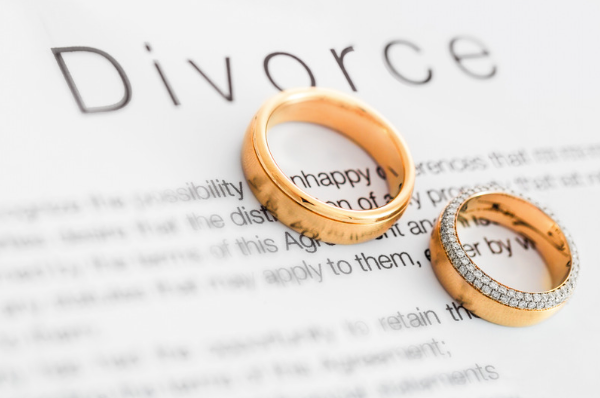
Not every divorce has to be a drawn-out, bitter courtroom battle. For many couples in New Jersey, the phrase “paper divorce” describes something much simpler: an uncontested divorce. If both spouses agree on all major issues—custody, alimony, property division—your case can often be resolved primarily through paperwork, without multiple hearings or prolonged litigation.
At Villani DeLuca, we often hear clients ask: “Can I just do this by paperwork and avoid court?” The answer is yes—sometimes. Here's how a paper divorce works in New Jersey, and why it may or may not be the right fit for your situation.
What Is a Paper Divorce in New Jersey?
A “paper divorce” isn't a formal legal term, but it's widely used to describe an uncontested divorce—a divorce where both parties agree on the terms of their separation and submit those terms in writing to the court.
While a judge must still review and sign the final divorce decree, the process is far faster and smoother than a contested divorce. In many cases, you may never have to appear in court at all.
That said, uncontested divorces aren't for everyone. If there are disagreements over custody, alimony, or asset division, the process shifts from paperwork to litigation. Understanding whether your divorce qualifies for a paper divorce is the first step.
When Is a Paper Divorce Possible?
You may qualify for a paper divorce in NJ if:
-
You and your spouse agree on child custody and parenting time.
-
You have resolved alimony and child support arrangements.
-
You've agreed on how to divide marital property and debts.
-
There are no outstanding disputes requiring a judge's ruling.
If even one major issue is contested, you'll need court involvement. But if everything is settled, the process is largely administrative. In fact, many clients are surprised at how quickly things move once agreements are in place.
How the Paper Divorce Process Works in NJ
The process may be faster, but it still follows legal requirements. Here's a step-by-step look:
-
File a Complaint for Divorce – One spouse files the initial paperwork with the court, establishing grounds for divorce (such as irreconcilable differences).
-
Serve the Papers – The other spouse must be formally served, though in uncontested cases this step is often simplified by cooperation.
-
Submit a Marital Settlement Agreement – This written agreement outlines custody, support, and property division. Both parties sign, confirming the terms.
-
Court Review – A judge reviews the documents to ensure they are complete, fair, and legally valid. The court's role is to make sure neither party is disadvantaged.
-
Final Judgment of Divorce – Once approved, the divorce is granted without lengthy hearings. In some cases, spouses may never need to step foot in a courtroom.
Benefits of a Paper Divorce
Couples who qualify for a paper divorce often experience:
-
Faster resolution – Some uncontested divorces finalize in just a few months.
-
Lower costs – Fewer hearings and disputes mean lower legal fees.
-
Privacy – Less time in court keeps personal details out of the public record.
-
Less stress – With no battles to fight, both parties can move forward more peacefully.
-
Greater control – Instead of leaving decisions to a judge, couples create their own agreement.
Risks of a DIY Paper Divorce
While it may be tempting to handle everything without an attorney, DIY divorces often create problems later. Common mistakes include:
-
Incomplete or incorrect paperwork that delays the case.
-
Overlooking assets or debts, leading to unfair settlements.
-
Parenting plans that lack clarity and spark future disputes.
-
Agreements that don't meet New Jersey's legal standards, causing rejection by the court.
-
Unanticipated tax consequences when dividing assets or support.
A paper divorce should be fast and smooth—not a situation where errors bring you back to court months or years later.
Why Legal Guidance Matters Even in Simple Divorces
Even if you and your spouse agree on everything, having an experienced family law attorney review your settlement can prevent costly mistakes. Divorce agreements cover issues that affect your future: your finances, your property, and your children. Once signed, changing them isn't always easy.
At Villani DeLuca, we've helped clients who thought they had a “simple divorce,” only to discover their agreements were vague or incomplete. By consulting an attorney early, you can avoid these pitfalls and make sure your divorce is truly final.
How Villani DeLuca Can Help
At Villani DeLuca, we've guided countless clients in New Jersey through uncontested divorces. Our attorneys ensure that:
-
Your settlement agreement is fair, enforceable, and legally sound.
-
Your paperwork is filed correctly the first time.
-
You avoid costly mistakes that could undo your progress.
-
Your parental rights and financial future are fully protected.
Even when you and your spouse agree on everything, having an experienced attorney review your documents can save you time, stress, and money in the long run.
FAQs About Paper Divorce in NJ
Can I really get divorced in NJ without going to court?
In many uncontested divorces, yes. Judges may finalize the case based on paperwork alone.
How long does a paper divorce take?
If all paperwork is complete and there are no disputes, some cases finalize in as little as 2–4 months. More complex cases can take longer.
Do both spouses need lawyers?
Not necessarily, but it's strongly recommended that each spouse at least consult an attorney before signing an agreement. Having independent counsel reduces the risk of disputes later.
What if we agree now but fight later?
If your agreement isn't thorough, disputes may arise. An attorney helps draft terms that prevent future conflicts and ensures you won't end up back in court.
Can a paper divorce cover child custody?
Yes, as long as the custody and parenting arrangements are detailed and in the best interests of the children, the court can approve them in a paper divorce.
Call Us Today:
Interested in a paper divorce? Call Villani & DeLuca today at 732-751-4991 for your free first consultation with one of our experienced family law attorneys.

Comments
There are no comments for this post. Be the first and Add your Comment below.
Leave a Comment